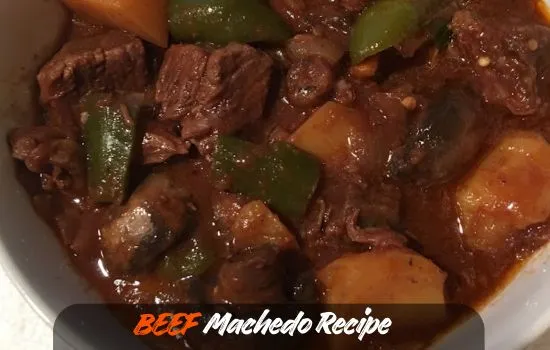
If you’re craving a rich, amazing beef stew and want something to mix up the classic American pot roast, then this beef mechado recipe is just the best. This Filipino tomato-based dish is a real treat – the aroma alone is so good that the neighbours will come knocking, if you don’t invite them first, that is.
Finding out the difference between mechado and kaldereta was a bit of a learning experience for me – a rather mishap, in fact, when it comes to cooking. Searing the beef properly makes all the difference when it comes to great flavour and texture.
Why This Beef Mechado Recipe Works
- Deep, layered flavour: We’re not just leaving tomato sauce in a pot. The combination of soy sauce, bay leaves, and lemon rind (yes, lemon rind!) gives it a unique brightness that cuts through the richness.
- Fall-apart tender beef: Low and slow cooking makes the chuck melt in your mouth. No chewy cubes here
- Better than takeout: Most restaurants rush their stews. You’ll make a richer, more memorable version at home.
- One-pot meal: Potatoes cook right in the sauce, soaking up all that goodness. Serve it with steamed rice, and you’re done.
What is Beef Mechado? (And how is it different from Afritada?)
Let’s clear this up, because even I get confused sometimes. Mechado is a tomato-based Filipino beef stew. The name comes from the Spanish word mecha, meaning "wick." Historically, cooks would thread pork fat (the "wick") through lean beef to keep it moist. Thankfully, modern recipes skip the larding and just use well-marbled chuck.
So, how do you tell it apart from Kaldereta and afritada?
- Mechado: This dish features beef, tomato sauce, soy sauce, and potatoes. The defining ingredient is lemon rind or calamansi, which adds brightness. It does not include liver spread.
- Kaldereta, unlike other stews, often uses goat or beef. It includes tomato sauce, liver spread for thickness, and bell peppers. Sometimes there are olives or cheese, giving it a unique flavor compared to similar dishes.
- Afritada: This dish often uses chicken or pork. It’s cooked in tomato sauce. It includes hot dogs, bell peppers, peas, and carrots. The "everyday" stew.
(Wait, forget that — a reader told me some regional Kalderetas skip liver spread.) But for me, the lemon rind is the dead giveaway for Mechado
Ingredients for the Best Beef Mechado
Here’s your shopping list. Don’t skip the lemon rind—it’s the secret.
- 2 lbs beef chuck, cut into 1.5-inch cubes (brisket or round works too, but chuck is king)
- 3 cloves garlic, crushed (I use 4 because I’m me)
- 1 large onion, sliced
- 8 ounces tomato sauce (not paste, not crushed tomatoes—sauce)
- 1 cup water (plus more as needed)
- 3 tbsp cooking oil
- 1 slice lemon with rind (yes, the peel too! Or use 2 tbsp calamansi juice)
- 1 large potato, sliced into thick wedges
- 1/4 cup soy sauce
- 1/2 tsp ground black pepper
- 2 pieces of bay leaves (laurel)
- Salt to taste
A Note from the Kitchen:
You can add carrots or bell peppers if you like. But purists say keep it simple. I won’t tell if you sneak in a red bell pepper for color.
How to Cook Beef Mechado (Step-by-Step)
1. Brown the Beef (Don’t Rush This!)
Heat the cooking oil in your pot over medium-high heat. Sauté the garlic and onion until the onion softens and turns slightly sweet—about 2 minutes. Then add the beef cubes.
Listen for that aggressive sizzle. If it’s quiet, your pot isn’t hot enough. Let the beef sit for 60 seconds before stirring. You want a deep brown crust, not a sad gray color. Brown the beef in batches if your pot is crowded. This takes about 5–7 minutes total.
2. Simmer Until Tender (Patience, Grasshopper)
Pour in the tomato spice and 1 cup of water. Stir, grinding up any browned bits from the bottom—that’s pure flavor. Get to a boil, then lower the heat to low. Cover the pot and let it simmer.
Here’s where the magic happens. Check after 60 minutes. The beef should be fork-tender but not falling apart. If it’s still tough, add another ½ cup of water and simmer for 30 more minutes. Low-quality beef can take up to 2 hours. Don’t fight it—just let it cook.
3. Season and Add the Potato
Once the beef is tender, add the soy sauce, black pepper, lemon rind, bay leaves, and salt. Stir and let it simmer uncovered for 10 minutes. This thickens the sauce and boosts the flavour.
Then add the potato wedges. Push them down into the sauce. Cook for another 10–15 minutes until the potatoes are soft but not mushy. You should be able to pierce them with a fork easily.
4. Final Taste and Serve
Taste the sauce. Does it need more salt? A piece of sugar to balance the acidity? Adjust it now. The sauce should be thick enough to coat the back of a spoon. If it’s too thin, simmer uncovered for 5 more minutes. If it’s too thick, add a splash of water.
Serve hot over steamed jasmine rice. The first time I made this correctly, I ate two bowls standing over the stove. No shame.
This stew is a meal prep hero. The flavors actually get better after a day in the fridge.
- Refrigerator: Cool fully, then store in an airtight container for up to 4 days.
- Freezer: Portion into freezer-safe bags or containers. Freeze for up to 3 months. Thaw overnight in the fridge before reheating.
- Reheating: Warm gently on the stovetop over low heat. Add a tablespoon of water if the sauce has thickened too much. Microwave works, but the texture of the potato suffers a bit.
Expert Tips for the Perfect Mechado
- Use a pressure cooker to save time. Cook the beef under high pressure for 35–40 minutes, then natural release. Add the potatoes and simmer uncovered for 10 minutes.
- Don’t skip the lemon rind. It sounds weird, I know. But that subtle bitterness cuts through the richness like nothing else. Calamansi is even better if you can find it.
- Cook your rice first. I cannot tell you how many times I’ve stood there with a perfect stew and no rice. Set a timer for your rice cooker before you start the beef.
- Brown the meat in batches. Overcrowding = steaming = no brown crust. Do two batches if needed.