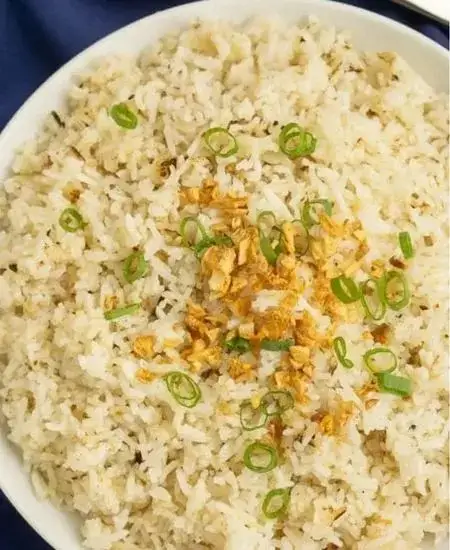
Filipino Garlic Fried Rice is key to Filipino cooking. It's more than just a dish; it's a cultural symbol. Here's a simple guide to making restaurant-quality sinangag at home. It covers the method, cultural background, and skills you'll need.
This dish is a popular breakfast in the Philippines. It also features authentic sinangag recipes. Don't worry, though—it's still a great read for anyone wanting to master this beloved dish.
What's so special about sinangag in Filipino cooking?
Sinangag is a classic Filipino dish. It features garlic fried rice. You make this dish by pan-frying leftover rice with lots of golden-brown garlic. Sinangag stands out from other Asian-style fried rice.
It takes a minimalist approach with no added vegetables, sauces, or mixed-in proteins. Its role is to improve rich, savory Filipino dishes. They serve it with longans, tapa, Ticino, fried eggs, or dried fish.
Sinangag is special because of its simplicity. It blends rice, oil, salt, and garlic into a harmonious mixture.
The Cultural Significance of Garlic Fried Rice in the Philippines
Sinangag is key to silo meals. Here are some Filipino breakfast options. They mix sinangag, itlog, and a protein you pick. You’ll see it in homes, local eateries, and fancy Filipino restaurants, too. When the smell of cooking sinangag fills the air, it signals comfort food. It brings tradition, warmth, and the promise of a new day.
A few important cultural notes about sinangag:
- Most often prepared for breakfast.
- People use leftover rice to avoid food waste.
- Garlic is front and center as one of the defining Filipino flavors.
It serves as a neutral base for salty and sweet dishes to shine.
Ingredients for Making Filipino Garlic Fried Rice
The Must-Haves
- Day-old cooked white rice (jasmine or medium-grain works best)
- Fresh garlic, minced to perfection.
- cooking oil (canola or veg oil works well)
- A pinch of salt to bring it all together
The Optional Extras (Traditional but Feel Free to Get Creative)
- A touch of white pepper for added richness.
- A drizzle of garlic-flavored oil for an extra kick.
- A bit of butter for aroma (a modern twist).
The Secret to Using Day-Old Rice for Sinangag
Using fresh cooked rice results in mushy, sticky fried rice. Day-old rice stored uncovered or loosely covered in the fridge gets a bit dry. This helps each grain stay separate while frying. You get the unique texture and structure of real sinangag.
How to Make Perfect Sinangag: A Step-by-Step Guide
Step 1: Get your rice ready
Break up the remaining rice with your hands. This will separate the clumps without squashing the grains.
Step 2: Get Your Garlic On
Heat some oil over medium heat. Throw in the garlic and keep stirring until it's lightly golden. This keeps it from being sour. It also prevents the garlic from being too strong.
Step 3: Cook the Rice
Turn the heat up to medium-high. Add the rice to the pan and toss it around until every grain is coated in that garlicy goodness. Then spread it out, and keep tossing until it's lightly toasted.
Step 4: Season to Perfection
Add salt in small amounts, tasting after each addition. Don't overdo it - sinangag should be balanced and neutral.
Step 5: Add the Reserved Garlic
Throw the reserved garlic back into the pan. Toss everything together one last time. That's it! Your sinangag is served!
Anthony Bourdain said:-
"When someone cooks for you, they are saying something. They are telling you about themselves: where they come from, who they are, what makes them happy."
Common Mistakes to Steer Clear of When Cooking Sinangag
- Burning garlic - and by doing so, infusing the dish with an unwelcome bitterness
- Overpowering the dish with too much soy sauce or other sauces (and let's be real, they're not even traditional)
- Using butter on its own when oil is so much better
- Stirring the rice too frantically - and in the process, breaking up all those lovely rice grains.
Best Options to Serve Up with Garlic Fried Rice
Traditionally, restaurants have served sinangag alongside:
Together, these make up the iconic Filipino silog breakfast. Who knew a simple plate could be so full of flavour?
Regional & Modern Twists on Sinangag
While the classic version is still the one that most people know and love, variations have started to pop up:
- Chicken oil sinangag - it's like having a whole roasted chicken in a pan.
- Shrimp oil sinangag - the smell of seafood is like a big hug in a pan.
- Brown rice sinangag for a more modern take on this traditional dish
- Garlic butter sinangag - for when you want to get a little taste in the kitchen
Nutritional Profile of Filipino Garlic Fried Rice
Sinangag is:
- Dairy-free (it's a good option for all you lactose-intolerant folks)
- Gluten-free (no worries for those with gluten issues here)
- Low in sugar (it's a pretty guilt-free meal option)
- Easy to adapt for vegan diets (swap out the eggs for something else)
When paired with some protein and eggs, it becomes a really balanced meal that gives you a nice energy boost.
Some Handy Storage & Reheating Tips
- Store cooked sinangag in an airtight container for up to 2 days
- Reheat it in a hot pan (microwaves can ruin the texture)
- Add a little oil when reheating - it really makes a big difference.
Why Sinangag Remains a Timeless Filipino Staple
Sinangag has stood the test of time for a reason. It shows the best of Filipino cuisine. We waste nothing. We add plenty of flavour. It’s all about bringing people together with food. Plus, any meal that requires a bit of skill to get right is always a win.
Final Thoughts
Filipino garlic fried rice is more than just a side dish - it's the foundation of a whole lot of different meals. When you make it with care and a bit of respect for tradition, it's unstoppable. This guide has given you the best way to master one of the Philippines' most beloved dishes.