Daikon, also called Japanese Radish or Winter Radish, is a snow-white radish. It often shows up in East Asian cooking, especially in Japanese, Korean, and Chinese homes. People love it for its unique flavour. When eaten raw, it is crisp and juicy; when cooked, it softens and takes on the flavor around it.
This article covers all you need to know about daikon radish. You’ll discover what it is, how it tastes, and how people use it around the world. You’ll also learn its health benefits and the best substitutes if you can’t find it.
Contents
What Is Daikon Radish?
Daikon is a long white radish. Its name in Japanese terms “dai”, which means large, and “kon”, referring to the root. Daikon has been grown in East Asia for centuries, but today it is used far beyond its place of origin. Cooking around due to its multipurpose nature, health benefits, and the fact that it stores well for a long period. You might hear it called Japanese radish, white radish, or winter radish. It serves the same purpose: a tasty vegetable. It makes many traditional and modern meals better.
Compared to small red radishes, daikon is much bigger, milder, and juicier. It can grow over a foot long and has smooth white skin with crisp, watery flesh inside. What makes daikon special is its gentle flavor.
Farmers have grown daikon in East Asia for centuries, especially in Japan, Korea, and China. It spread to other parts of the world over time. This is because it stores well, grows with little effort, and is suitable for many cooking styles.
Where Daikon Is Used Around the World
Daikon isn’t tied to just one cuisine. It travels well, and each culture uses it a little differently.
Japanese Cuisine
In Japan, daikon is everywhere. You’ll see it grated into daikon oroshi and served with grilled fish to cut through richness. It’s simmered in comforting dishes like oden, where it becomes soft and almost see-through. It’s also sliced raw for salads or served alongside sashimi for freshness.
Korean Cuisine
Korean cooking uses daikon and Korean radish (mu) heavily. A well-known example is kkakdugi. It’s a cubed radish kimchi that’s crunchy, spicy, and a bit sweet. Daikon also appears in soups, broths, and stews, adding body and balance.
Chinese Cuisine
In Chinese kitchens, daikon is common. You often see it in stir-fries, dumplings, and braised dishes. When cooked slowly, it soaks up sauces well and offers a relaxing texture that’s not heavy.
Southeast Asian Cooking
In Southeast Asia, daikon is added to soups and pickles for crunch and contrast. It helps balance bold spices and rich broths.
No matter how it is used or which cuisine it appears in, daikon adjusts easily.
What Does Daikon Taste Like?
Daikon has a clean, refreshing taste. When eaten raw, it is crisp and juicy; when cooked, it softens and takes on the flavor around it.
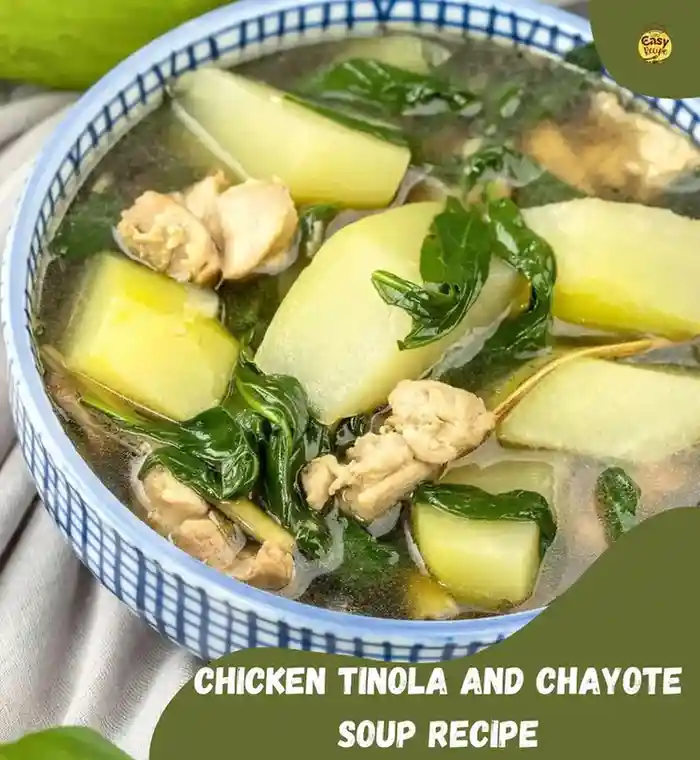
Once cooked, daikon changes completely. The heat softens its bite and brings out a change in sweetness. It becomes tender and absorbs flavors like broth, soy sauce, or spices. In soups and stews, it almost melts in your mouth.
This ability to transform is one of daikon’s strongest qualities.
Popular Food Preparations of Daikon
Daikon works in many forms, which is why it shows up in both traditional and modern recipes.
- Grated as a fresh topping for fried or grilled foods
- Sliced raw into salads and slaws
- Simmered in soups and stews
- Pickled or fermented for long-lasting flavor
- Stir-fried with meats and vegetables
- Used as a filling for dumplings and pancakes
Its neutral profile lets other ingredients shine while still adding feel and juiciness.
Nutritional Value of Daikon Radish
Daikon isn’t just easy to cook with—it’s also good for you.
Key Nutrients in Daikon
- High in dietary fiber
- Rich in vitamin C
- Contains potassium, magnesium, and folate
- Very low in calories and fat
- High water content
Health Benefits of Daikon
Daikon supports digestion by helping the body break down food more efficiently. It’s hydrating, which helps overall gut health. Vitamin C boosts immunity, while fiber supports healthy digestion and weight management.
Because it’s filling but low in calories, daikon is great for balanced meals.
When You Might Need a Daikon Substitute
Sometimes daikon just isn’t available. Maybe your local store doesn’t carry it, or it’s out of season. Other times, you might be cooking for someone who prefers a different texture or flavor.
When choosing a substitute, think about how the daikon is being used. Raw dishes need crunch and moisture. Cooked dishes need something that softens well and absorbs flavor.
Best Substitutes for Daikon Radish
1. White Turnip (Best Substitute)
White turnips are the closest match to daikon in both taste and texture.
Best for:
- Soups
- Stews
- Roasting
- Stir-fries
Flavor: Mild with a hint of an earthy note.
Texture: Crisp when raw, tender when cooked
If you’re unsure what to use, white turnip is the safest choice.
2. Korean Radish (Mu)
Korean radish is shorter and denser than daikon, with a slightly stronger flavor.
Best for: Kimchi, soups, braised dishes. Flavor: Sweet-mild with more depth. Texture: Firm and juicy.
It works especially well in fermented and slow-cooked recipes.
3. Jicama (Best Raw Alternative)
Jicama isn’t a radish, but it’s an excellent raw substitute.
Best for: Salads, slaws, raw garnishes. Flavor: Mild and lightly sweet Texture: Extremely crisp
Use jicama when crunch matters most.
4. Red Radish (Use Sparingly)
Red radishes are sharper and spicier.
Best for: Garnishes and salads Flavor: Pungent and peppery Texture: Crisp but small
Slice thin to avoid overpowering the dish.
5. Kohlrabi
Kohlrabi has a clean crunch and mild vegetal taste.
Best for: Stir-fries, roasting, and slaws.
Flavor: Mild with a hint of cabbage
. Texture: Crunchy like broccoli stem
Great for cooked dishes where texture matters.
6. Rutabaga (Cooked Dishes Only)
Rutabaga is denser and sweeter.
Best for: Stews, soups, slow cooking. Flavor: Sweet and earthy Texture: Firm raw, soft when cooked
Avoid using it raw as a daikon replacement.
Daikon vs Other Radishes
Daikon stands out because of its size, mildness, and versatility.
- Daikon: Large, juicy, mild, flexible
- Red Radish: Small, spicy, best for garnishes
- Korean Radish: Medium, sweet-mild, dense
Each has its role, but daikon fits the widest range of dishes.
How to Store Daikon Properly
Good storage keeps daikon fresh and prevents bitterness.
- Store whole daikon in the refrigerator crisper drawer.
- Remove leafy tops before storing.
- Wrap cut pieces tightly or use airtight containers.
- Use within a week for the best texture.
Most substitutes follow similar storage rules.
Final Thoughts on Daikon and Its Best Alternatives
Daikon may look simple, but it’s one of the most useful vegetables you can keep in your kitchen. It’s easy, adaptable, nutritious, and easy to cook. Whether you’re making a warming soup, a crisp salad, or a strong fermented dish, daikon fits right in.
And when daikon isn’t available, smart substitutes like white turnip, Korean radish, or jicama can step in without ruining the dish. The key is choosing the right replacement based on how you aim to use it.