How to Cook Filipino Chicken Adobo Recipe at Home
Introduction
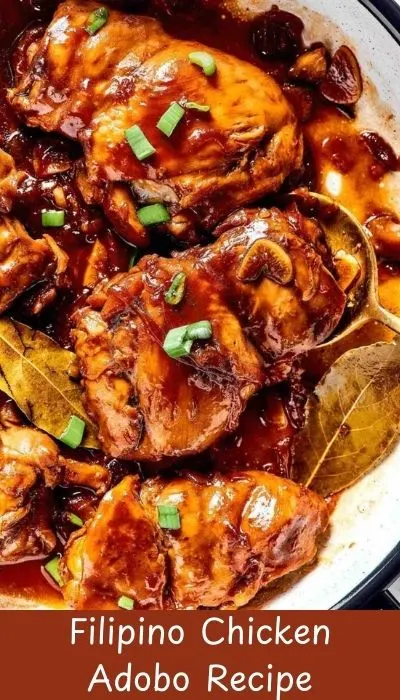
If comfort had a flavor, it would be the taste of Filipino Chicken Adobo. More than just a recipe, Adobo is the heart of Filipino cuisine—humble, bold, and irresistibly flavorful. With its perfect balance of savory, tangy, and slightly sweet notes, this dish is a reflection of home-cooked love.
In the Philippines, Chicken Adobo isn’t just food—it’s tradition. Families gather around the table with steaming bowls of rice, sharing stories while savoring each bite. Whether you are enjoying it for the first time or reliving a childhood memory, Adobo always delivers the warmth of home in every mouthful.
The History of Adobo
Origins of the Dish
While many believe adobo has Spanish roots (thanks to the name), Filipinos had been cooking meat in vinegar and salt long before the Spanish arrived. The word “adobo” actually comes from the Spanish word adobar, meaning "to marinate."
Spanish Influence or Indigenous Roots?
It's a bit of both. The cooking method—preserving food in vinegar—is native to the Philippines. The Spanish influence gave it a name, and possibly the addition of soy sauce over time, especially with Chinese influence in trade.
Traditional Ingredients
Chicken: The Star of the Dish
Bone-in chicken thighs or drumsticks are best for adobo because they stay juicy during the long simmering process.
Essential Pantry Staples
- Soy sauce – For umami and saltiness
- Vinegar – Adds the tang and helps preserve
- Garlic – Lots of it, smashed or minced
- Bay leaves – Add a subtle herbal note
- Peppercorns – Whole or cracked for a gentle kick
Optional Add-ins That Boost Flavor
- Onions (not traditional, but some families add them)
- Sugar or honey for a hint of sweetness
- Hard-boiled eggs or potatoes as fillers
Choosing the Right Cut of Chicken
Bone-In vs Boneless
Bone-in cuts give a deeper flavor. Boneless works if you're short on time or want a leaner meal.
Skin-On or Skinless?
Skin-on gives richness, especially if seared. But if you're cutting fat, skinless works just fine.
Step-by-Step Recipe
Ingredient List
- 2 lbs chicken thighs or drumsticks
- ½ cup soy sauce
- ½ cup cane vinegar (or white vinegar)
- 6 cloves garlic, smashed
- 2–3 bay leaves
- 1 tsp whole black peppercorns
- 1 tbsp brown sugar (optional)
- ½ cup water
- 1 tbsp cooking oil
Preparation Steps
1. Combine chicken, soy sauce, vinegar, garlic, bay leaves, and pepper in a bowl.
2. Marinate for at least 30 minutes, preferably overnight.
Cooking Instructions
1. Heat oil in a large pan. Sear chicken pieces until browned on both sides.
2. Pour in the marinade, add water, and bring to a boil.
3. Lower the heat and simmer uncovered for 30–40 minutes.
4. Add sugar if using, and simmer until the sauce reduces and thickens.
5. Taste and adjust—add more vinegar for tang, or soy for salt.
Cooking Techniques and Tips
To Sear or Not to Sear?
Searing adds a layer of flavor and better texture. But if you’re in a rush, you can skip it—it’ll still taste amazing.
Balancing the Vinegar and Soy Sauce
Equal parts vinegar and soy sauce are a great base. Adjust depending on how sour or salty you like it.
Simmering for Maximum Flavor
Low and slow wins. The longer it simmers, the deeper the flavor.
Variations Across the Philippines
Luzon vs Visayas vs Mindanao Style
Luzon: The classic—soy, vinegar, garlic.
Visayas: Often skips soy sauce and uses more vinegar.
Mindanao: May include turmeric or coconut milk.
With Coconut Milk (Adobo sa Gata)
A creamy twist popular in southern regions. Adds richness and softens the acidity.
Dry Adobo vs Saucy Adobo
Dry versions have the sauce cooked down till it clings to the meat. Saucy versions are perfect for spooning over rice.
Serving Suggestions
Perfect Pairing with Steamed Rice
The sauce soaks into the rice like a dream. It’s almost a requirement!
Side Dishes That Complement Adobo
- Pickled papaya (atchara)
- Fried eggplant
- Sauteed greens like kangkong or spinach
Make It Your Own
Vegetarian Adobo
Use tofu or mushrooms. Replace fish sauce with soy sauce or tamari for plant-based depth.
Pork, Beef, or Seafood Substitutes
Pork belly is rich and savory.
Beef shanks offer bold flavor.
Shrimp and squid cook fast for a seafood spin.
Adding a Sweet Twist
Some families add brown sugar, pineapple, or even Sprite for a sweeter profile.
Storage and Reheating Tips
Why Adobo Tastes Better the Next Day
The flavors deepen overnight. Many say it’s even better on day two or three!
Freezing and Meal Prep Advice
Store in an airtight container. Lasts up to 4 days in the fridge, or freeze for 2–3 months.
Nutritional Information (per serving)
Calories: ~350
Protein: 30g
Fat: 20g
Carbs: 5g
Common Mistakes to Avoid
Overcooking the chicken – Makes it dry
Using the wrong vinegar – Avoid balsamic or apple cider for authenticity.
Skipping the marination – You’ll miss out on flavor
Cultural Significance
More Than Just a Dish
Adobo is often the first dish taught by Filipino parents to their kids. It’s not just food—it’s a memory.
A Staple in Filipino Homes
Every family has their own version. It's the comfort food of the Philippines.
Conclusion
Filipino Chicken Adobo is more than a delicious, easy-to-make dish—it’s a piece of Filipino heritage. Whether you’re discovering it for the first time or recreating your grandmother’s version, one thing is certain: this dish always delivers big on flavor and comfort. Serve it hot, with rice, and share it with the people you love.
This Filipino Chicken Adobo is the comfort food—juicy chicken braised in a savory, tangy, and slightly sweet sauce made with vinegar, soy sauce, garlic, and bay leaves. Known as the unofficial national dish of the Philippines, Chicken Adobo is simple to make, full of bold flavor, and best enjoyed over a steaming plate of white rice.
- 2 lbs chicken (900g)
- ½ cup soy sauce (low-sodium recommended)
- ½ cup cane vinegar (or white vinegar)
- 1 medium onion, sliced
- 6 cloves garlic, smashed
- 2 bay leaves
- 1 teaspoon whole black peppercorns (or ½ teaspoon ground black pepper)
- 1 tablespoon brown sugar (optional, for a hint of sweetness)
- 1 cup water or chicken broth
- 2 tablespoons cooking oil
- 1
In a large bowl or zip-top bag, combine chicken, soy sauce, vinegar, onion, garlic, and bay leaves. Let marinate for at least 30 minutes (or overnight for a deeper flavor).
Sear the Chicken- 2
Heat oil in a large pot or deep skillet over medium heat. Remove chicken from marinade (reserve marinade) and sear for 2–3 minutes per side until golden brown.
Add the Marinade & Simmer- 3
Pour reserved marinade into the pot along with water or chicken broth, peppercorns, and brown sugar (if using). Bring to a boil, then reduce the heat to low and cover. Simmer for 25–30 minutes, flipping chicken halfway, until tender.
Reduce the Sauce- 4
Remove the lid and increase the heat to medium. Let the sauce simmer uncovered for 5–10 minutes until slightly thickened.
Serve & Enjoy- 5
Spoon chicken and sauce over steamed white rice, garnish with green onions if desired, and enjoy warm.
NoteExpert Tips
- For a richer sauce, use coconut milk instead of water during simmering.
- Adding potatoes or hard-boiled eggs makes the dish even more filling.
- Traditionally, Adobo uses cane vinegar, but white or apple cider vinegar works in a pinch.
- Leftovers taste even better after the flavors have melded overnight.
Filipino Chicken Adobo, Chicken Adobo Recipe Marisa M. HsuFood and Lifestyle Blogger
Hi, I’m Marisa M. Hsu, a food blogger and recipe creator. I share easy, comforting, and authentic dishes from my kitchen to yours. When I’m not cooking, you’ll find me exploring farmers’ markets, traveling for food inspiration, or enjoying family time around the dinner table.
- 2


