Bagoong Alamang Guisado is a rich dish. This Filipino relish uses fermented shrimp paste. It’s cooked with aromatic spices and a hint of sugar.
We’ll show you how to make real Filipino shrimp paste (bagoong alamang) at home. It’ll be a fun journey! We’ll explain traditional methods and share different variations. You’ll learn how to store it and what to pair it with. This will help you achieve restaurant-quality results.
Contents
What’s Bagoong Alamang All About?
So what is Bagoong Alamang then? It’s pickled small sea creatures or small shrimp. They preserve them in salt. This makes a strong flavour and a rich umami taste. Once you cook it (that’s guisado for you), it’s all the richer, darker, a bit sweeter, and spicier, too.
Raw bagoong is pretty pongy, salty, and a bit pink. But then you cook it, and it transforms into a rich, reddish-brown condiment. This amazing sauce enhances many Filipino dishes.
The Real Ingredients for Bagoong Alamang Guisado
To get the best out of this dish, we use these ingredients:
Ingredients
- 2 cups raw bagoong alamang (shrimp paste, straight from the jar)
- 4 tablespoons of oil (we like to use a neutral oil to avoid messing with the flavour)
- 6 cloves of garlic, chopped fine
- 1 medium onion, chopped into small pieces
- 2 medium tomatoes, diced
- 3-4 tablespoons of brown sugar (use your judgement on how much sweetness you like)
Optional Extras
- 1-2 tablespoons vinegar (to add a bit of twang)
- 1 teaspoon black pepper (ground fresh is best)
- 2-3 red chilies (for a bit of heat)
- 1 tablespoon of calamansi juice (optional, but adds a nice zing)
How to Make Bagoong Alamang Guisado: Step by Step
Step 1: Get the Aromatics Going
Heat some oil in a pan over medium heat. Throw in some chopped garlic and cook it until it turns a light golden colour. Add the chopped onion and sauté until translucent. Then add the diced tomatoes and cook until they’re soft and a bit caramelised.
This is the bit that gets the base flavour going and uses up some of that acidity from the raw paste.
Step 2: Add the Shrimp Paste
Now it’s time to add the bagoong alamang. Mix it all up with the aromatics and cook over medium-low heat, stirring constantly to prevent it from sticking.
The paste will get darker as it cooks.
Step 3: Get the Balance Right
Add the brown sugar in small amounts and stir until it is fully combined. Taste after each addition and stop when you think it just needs a bit of sweetness to balance out the saltiness.
Optional: add a bit of vinegar for a tang. Let it cook for a bit before mixing it in.
Step 4: Let it Simmer and Thicken Up
Reduce the heat and let it simmer for 10-15 minutes. The mixture will thicken, and the oil will rise to the surface. Keep stirring to stop it burning.
If you like it spicy, now’s the time to add some chilli.
Step 5: Cool and Store it
When it’s all done, take it off the heat and let it cool right down before popping it into some sterilized jars.
What Does Bagoong Alamang Guisado Taste Like?
It’s salty, sweet, and has a deep umami flavour from the shrimp paste. It’s also got a big hit of garlic and onion,n and a bit of tang from the vinegar or calamansi. And of course, if you like a bit of heat, then the chilli kicks in. It’s all balanced out, so it is not excessively salty, but it satisfies the palate every time.
How to Use Bagoong Alamang Guisado – The Filipino Flavor Key
1. As a Side to Unleash Your Tastes
Give it a go with these combos:
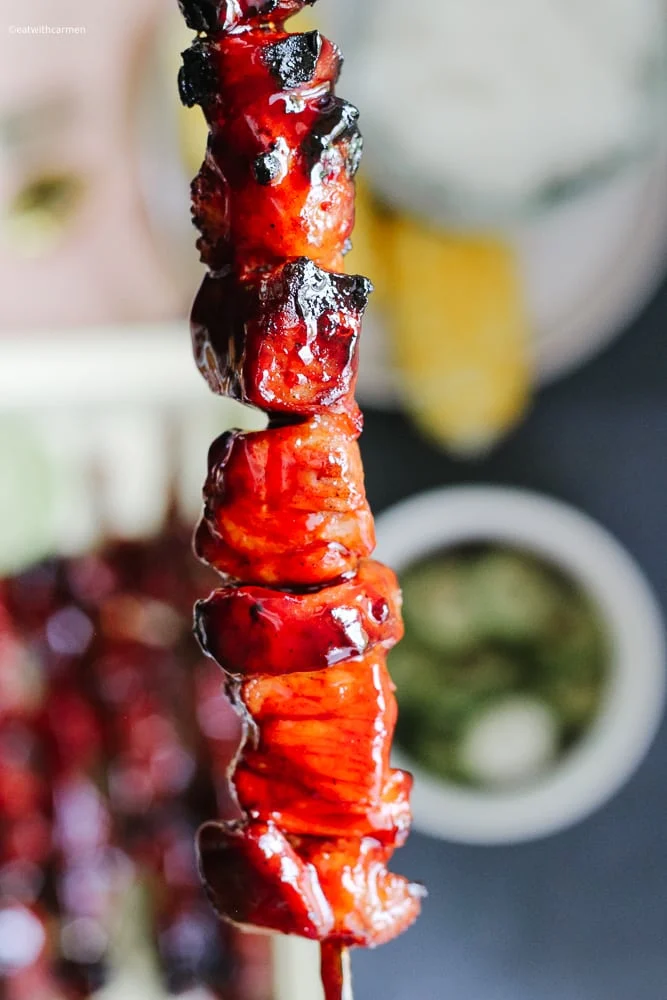
- Grilled pork at its finest – think smoky flavours
- Crispy fried fish that’ll make your taste buds dance
- Steamed veggies that add a pop of colour to any dish
- Sweet and tangy green mango slices to cut through the richness
- And, for good measure, a side of any grilled meat
2. Pairing with Kare-Kare: The Perfect Complement of Bagoong
Bagoong is the secret ingredient you didn’t know you needed in your peanut stew. It adds depth and richness, taking the dish to new heights.
3. Bringing it to Pinakbet – The Ultimate Vegetable Stew
Add the bagoong to the pot. It forms a flavour base that enhances the dish.
4. Using Bagoong to Enhance Your Dishes
- Mix into fried rice for a boost of umami
- Sauteed greens get an instant makeover
- Noodle dishes got a lot more interesting
Choosing the Best Bagoong Alamang – The Key Choosing Process
When picking raw bagoong, don’t make these rookie mistakes:
- Go for a bright pink to deep mauve paste – anything grey or dry is a hard pass
- Smell it – that aroma should be strong but not sour
- Search for locally fermented bagoong to achieve the authentic taste
Storage and Shelf Life – Keep it Fresh and Safe
- Store it in a clean, sterilised glass jar. The airtight seal is key.
- After opening, refrigerate it and use a clean spoon. No contamination!
- It lasts 2-3 months in the fridge. Still good, but keep it fresh.
- Oil on the surface is normal. It helps preserve the good stuff
Common Mistakes to Avoid – Bagoong Faux Pas
- Overcooking is a no-no – burnt sugars and bitter flavours are the enemies
- Sugar overload – sweetness needs to balance out the richness, not become the star
- No aromatics? No bueno! – Garlic and onion are essential to get that depth
- Simmer for too short – bagoong needs that gentle heat to mellow out and develop depth
Nutritional Overview – A Sneak Peek
- Calories: 35-45 per tablespoon (bear in mind it’s quite salty)
- Protein: 1-2 grams
- Fat: 3 grams
- Due to its high salt content, a little goes a long way, and moderation is key
Variations of Bagoong Alamang – The Remix
- Sweet-style bagoong thick, sweeter, and richer
- Spicy bagoong – for those who dare – a spicy kick
- Vinegar-based version is a tangy take with a side of green mango
- Crispy garlic bagoong (a fun twist with an extra crunchy texture)
Why Making it Yourself Is the Way to Go
Homemade bagoong lets you adjust the sweetness and saltiness to suit your taste. You use the freshest and most aromatic ingredients. There are no artificial preservatives—only pure ingredients. You can also customise the spice levels. It gives you an authentic Filipino flavour that beats store-bought.
Expert Tips for Perfect Results – Secrets from the Pros
- Cook it low and slow, no high heat!
- Stir without stopping; you don’t want it to be stuck to the pan.
Let that sugar dissolve completely before you think it’s done
Rest it in the fridge overnight – trust us, it’s worth the wait
Serving Suggestions – Traditional Filipino Meals Made Easy
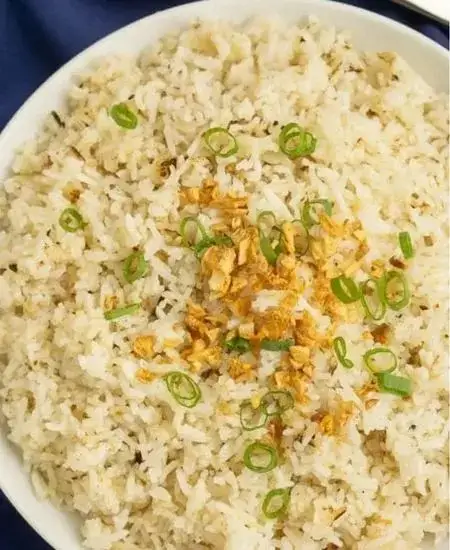
Try it with steamed white rice for a simple, satisfying meal. Grilled bangus is a classic choice—it’s a Filipino staple!
- Fried eggplant adds a crunchy texture.
- Boiled okra brings fun textures.
- Green mango with chili offers a sweet and spicy balance
It’s the perfect combo of bold flavours, making it a staple in any
Conclusion
Bagoong Alamang Guisado is essential in Filipino cooking. When it’s made right, it mixes salt, sweetness, and umami. This boosts the flavour of every dish. Mastering this recipe helps you keep the rich heritage of Filipino cuisine alive. You’ll enjoy an amazing taste in every spoonful.
Homemade Bagoong Alamang Guisado Recipe
Homemade Bagoong Alamang Guisado is sautéed shrimp paste cooked with garlic, onions, sugar, and vinegar. It’s sweet, salty, rich, and perfect with mangoes, rice, or grilled meats.

Ingredient
Instructions
1. Sauté the Aromatics
- Heat oil in a medium skillet over medium heat. Add garlic and cook until fragrant (about 30 seconds). Add onions and sauté until soft and translucent.
2. Add the Pork (Optional)
- If using pork belly, stir it in and cook for 2–3 minutes until lightly browned.
3. Cook the Shrimp Paste
- Add the raw bagoong alamang to the pan. Stir well and cook for about 5 minutes. It will deepen in color as it cooks.
4. Sweeten and Balance
- Stir in brown sugar, vinegar, and water. Mix thoroughly. Let it simmer gently for 10–15 minutes, stirring occasionally, until thick and slightly caramelized.
5. Add Heat (Optional)
- Toss in sliced chili peppers during the last few minutes of cooking if you like a spicy kick.
6. Cool and Store
- Remove from heat and allow to cool completely. Store in an airtight jar in the refrigerator for up to 2 weeks.
Nutrition Facts
Servings 8
- Amount Per Serving
- % Daily Value *
- Total Fat 7g11%
- Total Carbohydrate 10g4%
- Sugars 8g
- Protein 5g10%
* Percent Daily Values are based on a 2,000 calorie diet. Your daily value may be higher or lower depending on your calorie needs.
Note
Tips for the Best Bagoong Alamang Guisado
- Adjust sweetness: Some prefer it sweeter for green mango pairing.
- Cook it longer: The longer it cooks, the deeper and richer the flavor.
- Use quality shrimp paste: Fresh, raw bagoong makes a big difference.
- Let it rest overnight: The flavor gets even better the next day.
Pin this recipe to share with your friends and followers.

Frequently Asked Questions
Can I eat bagoong alamang straight from the jar?
To be honest, it's best to give it a good stir-fry. It’s fermented, but cooking boosts the flavour and makes it safer to eat. Plus it's a heck of a lot more pleasant that way.
Why does my bagoong taste like it's been over salted?
Shrimp paste is high in salt. That’s normal due to the fermentation process. But the good news is we add a bit of brown sugar and sometimes a splash of vinegar to balance it out. And if you let it simmer along with some aromatics, the saltiness gets a lot less harsh.
Can I freeze my bagoong alamang?
Yes, the trick is to freeze it in small portions. Freezing it can extend its shelf life by a few months. Some people say it might change the flavour a bit, but I don’t think it’s a big deal.

You may also like...