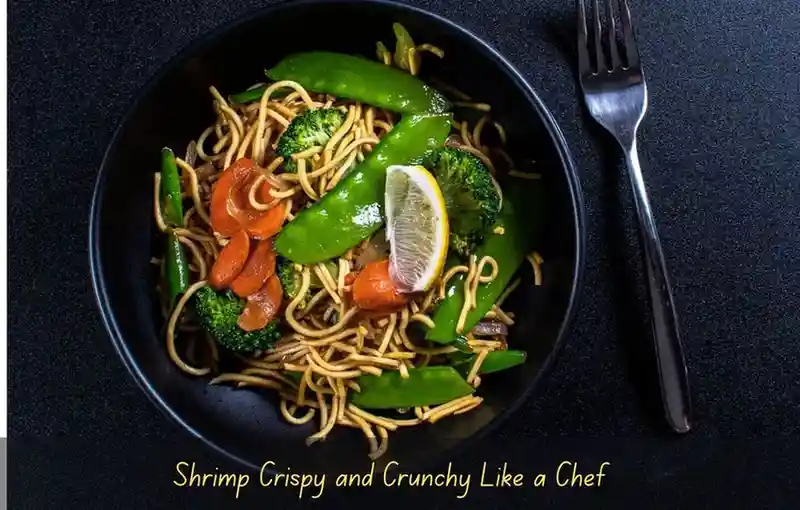
Filipino pancit Noodle is a cherished comfort dish, celebrated in every Filipino home for its warmth, flavour, and simplicity. This quick and easy vegetable pancit guide offers a refined yet approachable way to enjoy a dish rooted deeply in tradition, blending authentic Filipino flavours with effortless cooking techniques.
Contents
- 1 What Is Filipino Pancit?
- 2 The Key Elements of a Great Vegetable Pancit
- 3 The Key Elements of a Great Vegetable Pancit
- 4 The Key Elements of a Great Vegetable Pancit
- 5 Step-by-Step Guide to a Perfect Quick & Easy Pancit
- 6 Nutrition-Rich, Flavour-Packed Filipino-Style Vegetable Pancit
- 7 The Many Faces of Filipino Vegetable Pancit
- 8 Top Tips from the Pros for the Perfect Vegetable Pancit
What Is Filipino Pancit?
Derived from the Hokkien term “pian i sit”—meaning “convenient food”—pancit has become an essential part of Filipino culture. It appears at birthdays, gatherings, and festive celebrations, symbolizing abundance, long life, and good fortune.
Vegetable pancit, in particular, is admired for its bright colours, nourishing ingredients, and adaptability. With minimal effort, it becomes a wholesome plant-based dish suited to any palate and any occasion.
The Key Elements of a Great Vegetable Pancit
A remarkable pancit balances flavours, textures, and aromas with precision. Its essential elements include:
- Fresh, crisp vegetables for colour and vibrance
- Well-seasoned noodles that absorb the depth of flavour
- A harmonious blend of savoury, aromatic seasonings
- Proper heat control for ideal texture and finish
These components work together to create a dish that is simple, satisfying, and unmistakably Filipino.
The Key Elements of a Great Vegetable Pancit
A remarkable pancit balances flavours, textures, and aromas with precision. Its essential elements include:
- Fresh, crisp vegetables for colour and vibrance
- Well-seasoned noodles that absorb depth of flavour
- A harmonious blend of savoury, aromatic seasonings
- Proper heat control for ideal texture and finish
These components work together to create a dish that is simple, satisfying, and unmistakably Filipino.
The Key Elements of a Great Vegetable Pancit
Crafting a fantastic pancit requires a delicate balance of flavours, textures & aromas. Below are the core elements that make a truly exceptional dish:
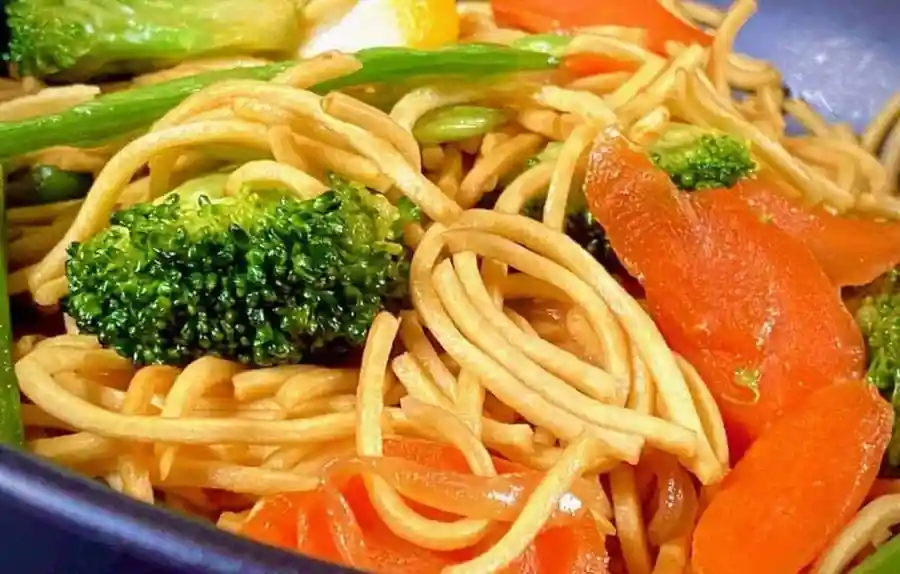
1. Noodle Selection
When it comes to noodle selection, we’ve got a couple of options for you:
- Bihon (Rice Vermicelli): These thin, delicate rice noodles soak up juices perfectly.
- Canton (Egg Noodles): These are slightly thicker and offer a nice chewy texture.
Many cooks mix both for the perfect depth & to get a satisfying mouthfeel.
2. Aromatics – The Base of Filipino Flavours
The classic base flavour is built around the following ingredients:
- Fresh garlic (because everything’s better with a bit of garlic!)
- Sweet onion
- Sliced shallots
These aromatics provide that unmistakable fragrance that defines classic Filipino comfort food.
3. Fresh Vegetables
A mix of colourful & crunchy vegetables takes this dish to the next level:
- Shredded cabbage
- Julienned carrots
- Green beans
- Bell peppers
- Celery
- Snow peas
We just lightly stir-fry them so they retain their crunch & colour.
4. Seasoning Your Pancit
The secret to a rich & savoury pancit lies in your seasonings:
- Soy sauce
- Oyster sauce (use this if you’re feeling fancy)
- Black pepper (for a bit of depth)
- Vegetable broth
Step-by-Step Guide to a Perfect Quick & Easy Pancit
Here’s our easy guide for making this dish, perfect for beginners and experienced cooks alike.
1. Get Your Noodles Ready
- Soak bihon noodles in warm water for 10-15 minutes until they’re nice and soft.
- For canton noodles, just add them to the pan and cook as the package says.
- Drain bihon noodles thoroughly to avoid sogginess.
2. Get Your Aromatics On
- Heat up some oil in a wok.
- Throw in the minced garlic, followed by the onion & shallots.
- Cook until they’re fragrant & lightly browned.
3. Add Some Colour to the Mix
- Start with firm vegetables like carrots & green beans.
- Add in the rest of the vegetables (cabbage, bell peppers, celery & snow peas) last.
- Stir-fry them until they’re just tender.
4. Make Your Sauce
- Pour the vegetable broth into the wok.
- Season with soy sauce, oyster sauce & black pepper.
- Let it simmer for a few minutes to allow all the flavours to come together.
5. Add Your Noodles
- Add in bihon first, making sure they get well coated with the broth.
- Add in the canton noodles last.
- Mix everything up until the noodles are well coated & the sauces are clinging to them.
6. The Final Polish
- Give it a squeeze of fresh lemon or calamansi juice.
- Taste the dish and adjust the seasoning as needed – this is where the magic happens!
- Top it off with chopped scallions or a sprinkle of crispy fried garlic – either way, it’s a winner.
Nutrition-Rich, Flavour-Packed Filipino-Style Vegetable Pancit
This Filipino Vegetable Pancit is a real winner – and not just because it tastes amazing. Here are some of its impressive benefits:
- It’s chock-full of fibre from all those delicious vegetables.
- Keep your cholesterol levels in check with this healthy option.
- The balanced mix of carbs, vitamins and minerals means you’ll be raring to go in no time.
- Plus, it’s super adaptable for vegetarians and vegans.
You can easily boost it. Try adding tofu, mushrooms, or plant-based protein options to make it shine.
The Many Faces of Filipino Vegetable Pancit
1. Pancit Bihon Guisado – The Quick Fix
This version is quicker and easier to make than the others. It uses rice vermicelli, making it great for busy days.
2. Pancit Canton – The Hearty Option
For a more amazing meal, try using egg noodles in place of—they sop up all that rich sauce like a dream.
3. Mixed Vegetable Pancit – The Layered Look
Why select one type of noodle when you can mix them up and get the best of both worlds?
4. Vegan Pancit – The Plant-Based Powerhouse
We have a special version for our vegan friends. Just swap the oyster sauce for mushroom sauce. Then, add some tofu or tempeh for a delicious treat.
5. Spicy Pancit – For All You Hot-Lovers Out There
Add a kick to your meal with some chillies, chilli oil or spicy soy – it’s a flavour explosion waiting to happen.
Top Tips from the Pros for the Perfect Vegetable Pancit
Get all your ingredients prepped before you start cooking – we’re talking chop, dice, slice – the works. Pancit does cook fast, after all.
- Don’t over-soak the noodles or they’ll end up mushy and lacking structure.
- Stir-fry your veggies quickly and light – we want them to stay vibrant and crisp, not soggy and sad.
- Use a big wok to toss those noodles around – it’s a lot easier to get the hang of it with a bigger pan.
- Let the noodles rest for a minute or two after cooking – this is key to really getting the flavours to soak in.
Storage and Reheating Tips
- Refrigeration: Stick it in an airtight container and keep it for up to 3 days – easy peasy.
- Reheating: warm it up in a pan with a splash of broth, and you’re good to go.
– Freezing: We don’t recommend it for bihon-based pancit, as the noodles may break. But it’s worth trying for the other types.
Conclusion
This Quick and Easy Vegetable Filipino Pancit recipe is a game-changer. It combines the best of Filipino cuisine with convenience and lots of heart. Its easy ingredients and elegant flavours make it a great addition to any kitchen. If you’re marking or need a quick weeknight meal, this Vegetable Pancit is perfect. It’ll make you feel like you’re in the Philippines.
Easy 20-Minute Vegetable Filipino Pancit Noodle
If you’re want try something light, flavorful, and packed with veggies, this Vegetable Filipino Pancit Noodle recipe is exactly what you need. Ready in just 20 minutes, it’s the perfect weeknight meal or lunch option that’s colorful, satisfying, and totally Instagram-worthy
Ingredients
Vegetables & Noodles
Sauce & Seasoning
Optional Toppings
Instructions
Step 1: Prep the Noodles
- Soak rice noodles in warm water for 5–7 minutes until soft, then drain and set aside.
Step 2: Stir-Fry the Veggies
- Heat sesame oil in a large pan or wok over medium heat. Sauté garlic and onions until fragrant, about 1–2 minutes. Add carrots, green beans, snow peas, and bell peppers. Stir-fry for 3–4 minutes until slightly tender but still crisp.
Step 3: Add Noodles and Sauce
- Add the noodles to the pan, then pour in soy sauce, oyster sauce, and vegetable broth. Toss everything together gently, ensuring the noodles soak up the sauce. Add cabbage last and cook for another 2 minutes until wilted. Season with salt and pepper to taste.
Step 4: Serve Hot
- Plate your pancit and top with chopped green onions, fried garlic bits, and a squeeze of lemon or calamansi. Enjoy immediately for the best flavor and texture.
Nutrition Facts
Servings 4
- Amount Per Serving
- % Daily Value *
- Total Fat 7g11%
- Total Carbohydrate 40g14%
- Dietary Fiber 5g20%
- Protein 8g16%
* Percent Daily Values are based on a 2,000 calorie diet. Your daily value may be higher or lower depending on your calorie needs.
Note
Chef Tips
- For extra flavor, add a dash of ground black pepper or chili flakes.
- Don’t overcook the vegetables—they should stay vibrant and slightly crisp.
- If using egg noodles, reduce soaking time as they cook faster.
- Customize with tofu, shrimp, or chicken for a protein boost.
(Nutritional Values may vary based on noodles and sauce used.)
Note
If you love this Slow Cooker Filipino Pancit Noodle, I would be so great full if you leave 5-stars 🌟 rating in recipe card below. I love reading your comments and feedbacks!
Stay Posted on my latest cooking recipe through social media @Instagram, Pintrest and Facebook. And also don’nt forget to tag me when you try my recipes.
Pin this recipe to share with your friends and followers.

Frequently Asked Questions
1. What's the best noodle to use for vegetable Filipino Pancit?
The short answer is it doesn't matter - bihon (rice vermicelli) and canton (egg noodles) are both winners. Bihon is lighter and more delicate, while canton is heartier and chewier. Some folks like to mix it up and get the best of both worlds.
2. Can I make pancit completely vegan?
Absolutely! Swap the oyster sauce for mushroom stir-fry sauce or soy seasoning. Then, add some tofu or tempeh for extra flavour. The result is a beautiful, plant-based dish that's still full of depth and flavour.
3. How to Stop the Noodles from becoming a mushy mess?
Be careful not to over-soak the bihon noodles - 10 to 15 minutes in warm water is all you need. If you’re using canton noodles, just stir-fry them in the sauce. No need to boil them separately. And don't forget to make sure you have a big enough wok so you can toss the noodles without them breaking into pieces.
4. Can I add some protein to this vegetable pancit recipe?
You bet you can. The veggie dish is tasty already. You can add cut tofu, mushrooms, plant-based sausage, chicken strips, shrimp, or pork to mix things up. Get those proteins in early on in the stir-frying so they can soak up all the flavours and seasonings.
5. How long will pancit keep once you cook it?
Vegetable Pancit will keep in the fridge for up to three days (if you store it in an airtight container). When you reheat it, just add a bit of broth or water to keep the noodles from drying out.
6. Why is pancit traditionally served at birthdays?
In Filipino culture, long noodles symbolise long life, prosperity and good fortune. When you serve pancit at a birthday or special occasion, you’re sharing a wish for the celebrant’s happiness.

You may also like...











Amazing Recipe 😍
Thanks For Your interest 🤗